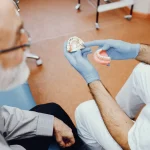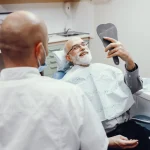

Although wisdom tooth removal in Waltham, MA, is a common procedure, patients often ask if it is really necessary. In some cases, it may not be necessary; however, for the majority of patients, if an oral surgeon doesn’t remove wisdom teeth, complications later in life can lead to serious dental health issues and the need for more involved and expensive procedures.
Overcrowding
One of the most common problems with wisdom teeth that aren’t removed is overcrowding in the back of the mouth. As humans have evolved, our mouths have become smaller, leaving less room for our wisdom teeth, which are no longer necessary due to the refined diets we consume today. When these teeth erupt, whether fully or partially, they tend to push the molars in front of them out of alignment. The results are bite problems and crooked teeth.
Cavities and Decay
Your wisdom teeth are in the far back of the mouth. They can be difficult to clean properly, especially if they are partially trapped in the gums or overlap with other molars. This often leads to bacteria and debris becoming trapped, leading to plaque buildup, cavities, gum disease, and the spread of infection to adjacent teeth. If a cavity isn’t discovered early on in a wisdom tooth, the infection can cause jawbone deterioration, requiring oral surgery. Newton, MA residents may find the cost of avoiding wisdom tooth removal is higher than they thought.
Impaction
As oral surgeons near Lexington, MA, one of the most common procedures we perform is the removal of impacted wisdom teeth. When patients wait until wisdom teeth become a problem, that problem is likely to be an impacted tooth. This means the tooth is trapped in the gum line or jawbone and cannot erupt. Sometimes, due to the difficulty of cleaning an impacted tooth, the area can become infected, affecting how much you can open your mouth. Complications from impacted teeth can be extremely painful and often leads to infections or abscesses in the jaw.
Symptoms of an impacted wisdom tooth may include:
- Severe tooth or jaw pain
- Swelling of the jaw or cheek
- Pain radiating to the ear
- Headaches
- Unexplained bad breath
- Pain when chewing
- Pus or blood in the back of the mouth.
If you experience any of these symptoms, contact an oral surgeon near Lexington, MA, for an evaluation before the infection spreads and causes permanent damage.
Complicated Removal
The longer you wait to have your wisdom teeth removed, the more difficult the procedure becomes. While some individuals may never need to have their wisdom teeth removed, if removal becomes necessary later in life, it becomes more difficult and recovery becomes more sluggish. If wisdom teeth become impacted in your thirties or forties, oral surgery will be more difficult because the roots of your wisdom teeth continue to grow. The longer roots may be curved or impinge on the nerves at the base of the jaw, requiring more invasive and complex surgery.
Safe, Effective Wisdom Tooth Removal in Waltham, MA
At Highland Oral Surgery & Implant Center, we often recommend wisdom tooth removal in your late teens or early twenties to avoid the problems that can develop later in life. If your dentist has advised wisdom teeth removal, it is because they believe it is the best way to protect your oral health now and in the future. Our oral surgeons near Lexington, MA, offer anxiety-free wisdom tooth removal with minimal downtime and a smooth recovery, allowing you to return to your daily routine quickly.
If you are experiencing symptoms of an impacted wisdom tooth or your dentist has suggested wisdom tooth removal, please get in touch with our office at Highland Oral Surgery & Implant Center Phone Number 781-899-5660 to schedule a free consultation to discuss your oral surgery options in Waltham, MA.
Ready to Schedule a Consultation?
Our expert oral surgeons can help you restore your smile and regain your confidence. Schedule your consultation today!