


Dental Implant Myths
Losing a tooth can feel stressful, especially when you hear so many different stories from friends, family, or the internet. At Highland Oral Surgery & Implant Center, we hear a lot of myths about dental implants every day. Let’s clear up the confusion and give you the facts.
Common Myths That Confuse Patients
Myth 1: Ceramic Implants Are Always Better Than Titanium
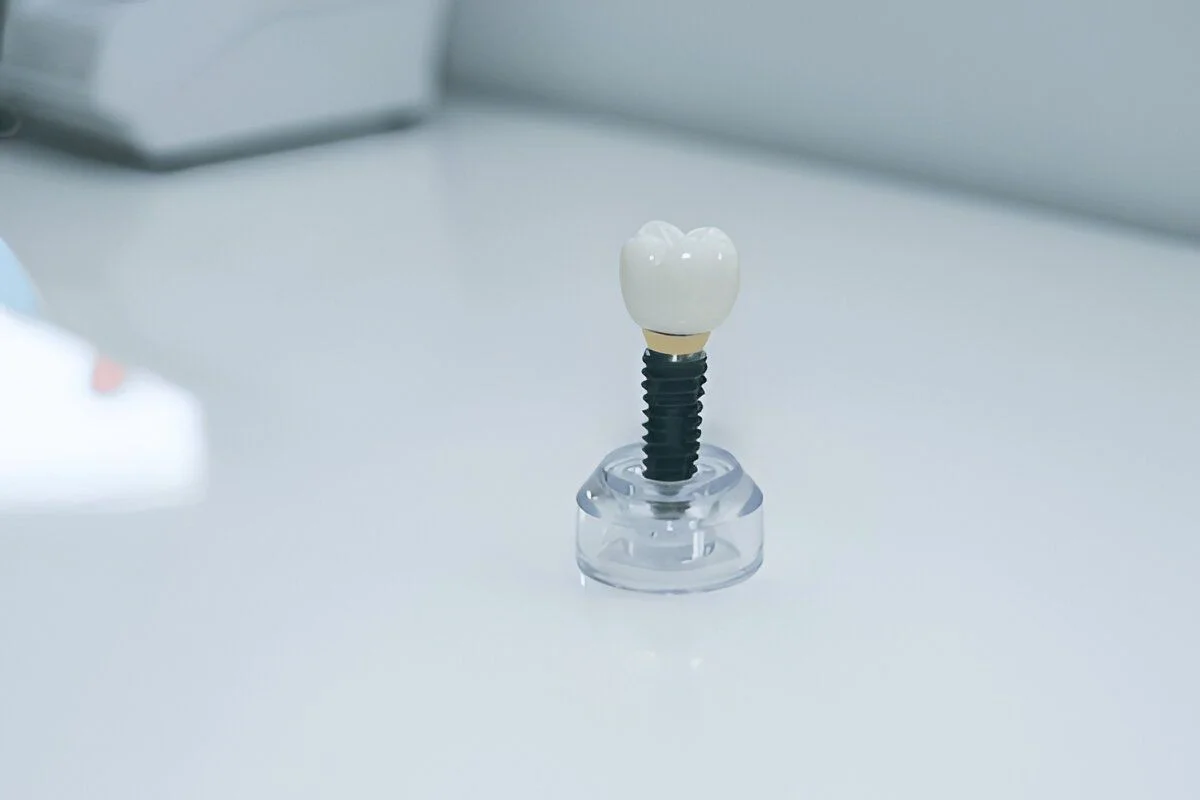
Many people ask about ceramic implants because they sound more “natural.” But that doesn’t mean they’re better for everyone. Titanium implants have been used successfully for over 50 years. Your jawbone bonds with titanium really well through a process called osseointegration.
Ceramic implants can be a good choice for some patients, but they aren’t automatically the best. Your oral surgeon will look at your jawbone, the location of your missing tooth, and how your teeth come together. We recommend what works optimal for your mouth, not just what sounds fancy.
Myth 2: Implants Last Forever Without Any Care
Dental implants are very strong, but they still need proper care. Think of them like a car—no matter how good it is, it still needs regular maintenance. With proper brushing, flossing, and dental checkups, implants can last 25 years or more—and sometimes even a lifetime.
Skipping cleanings or neglecting oral hygiene can cause problems with the gums around your implant. The implant itself rarely fails, but healthy gums are crucial for keeping it secure and comfortable.

Myth 3: All Implant Providers Offer the Same Quality
Not every dentist or clinic has the same experience with implants. Oral surgeons go through extra years of hospital-based surgical training beyond dental school. We focus on procedures involving the jaw, mouth, and facial structures.
Experience matters. Our team has placed thousands of implants, including complex cases with bone loss requiring grafting. Choosing an experienced oral surgeon means safer surgery, better planning and more predictable results.
Myth 4: The Implant Process Is Extremely Painful
Many people avoid implants because they fear pain. Modern oral surgery is much more comfortable than you might think. We use advanced anesthesia and sedation, so most patients only feel pressure during the procedure—not pain.
After surgery, it’s normal to feel some soreness or mild discomfort, much like you would after other dental work. Most people are back to their regular activities within a few days. We give easy-to-follow aftercare instructions and are always just a call away if you have any questions while you’re healing.
Myth 5: Implants Are Only for Older People
Age doesn’t automatically rule you out. We’ve placed implants in patients in their early twenties all the way to their nineties. The main factors are good health and enough jawbone to support the implant.
Younger patients who lose teeth from accidents or sports injuries can benefit greatly. Replacing missing teeth early prevents bone loss and keeps other teeth from shifting. If your jawbone has finished growing—usually around age 18–21—you could be a candidate.
Why Accurate Information Matters
Relying on myths can lead to missed opportunities or the wrong treatment. At your consultation, we take time to answer your questions, examine your mouth thoroughly, and give honest recommendations based on your situation.
We believe that informed patients make better decisions about their oral health. So, ask questions, share concerns, and learn about your options—no judgment.
Ready to Learn the Truth About Dental Implants?
Don’t let myths stop you from restoring your smile and confidence. Our experienced oral surgery team is here to give clear, honest answers about what implants can do for you.
Contact Highland Oral Surgery & Implant Center today to schedule your consultation.
FAQ
Can implants fail, and what causes this?
Implant failure is uncommon, but it can happen. Early failure usually occurs if the implant doesn’t properly fuse with the jawbone. Later problems are often linked to infection, poor oral hygiene or habits like smoking. Certain medical conditions can also increase risk. Careful planning and good home care help to reduce these risks.
Does insurance cover dental implants?
Coverage varies by plan. Some insurance covers part of the procedure, while others don’t. Our staff can help you understand your benefits and explore financing options.
What makes an oral surgeon different from a general dentist for implants?
Oral surgeons complete 4–6 extra years of hospital-based surgical training. We handle complex cases, perform bone grafting when needed, and are trained to manage surgical complications. Our focus is on the jaw, mouth, and facial structures.
Can I get implants if I have gum disease or bone loss?
We need to take care of any issues first. Active gum disease must be treated before placing implants. If you have bone loss, a bone graft can usually rebuild enough support for a stable implant. Every patient is different, so a careful evaluation is important to make sure the plan is safe and successful.