


Implant Aftercare & Long-Term Maintenance
Dental implants are an excellent way to replace missing teeth, but like natural teeth, they need care to last. At Highland Oral Surgery & Implant Center, we want every implant we place—or help maintain—to stay strong, healthy, and functional for many years. Proper aftercare and routine maintenance are key. Let’s go through what you need to know.
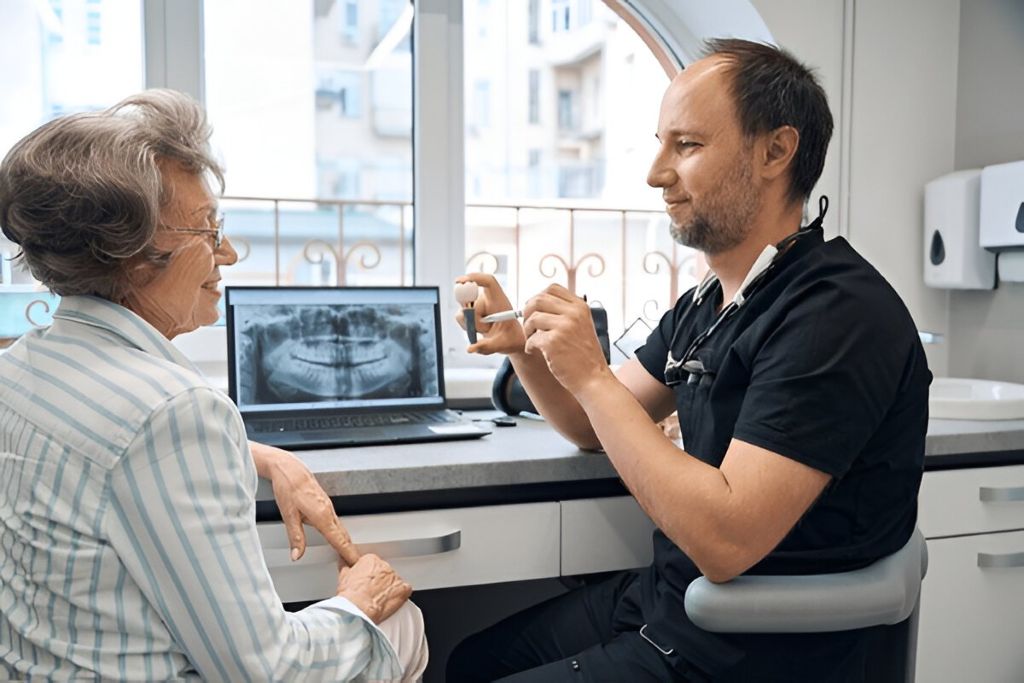
Why Implant Care Matters
Right after your implant surgery, your mouth needs time to heal. The implant has to fuse with your jawbone—a process called osseointegration. This usually takes a few months. During this time, following our oral surgeon’s instructions is critical. You’ll need to keep the area clean, avoid certain foods, and maybe take medications to prevent infection.
If you ignore these steps, you risk complications like infection, implant movement, or even complete failure. And trust us, no one wants to go through that process twice.
Immediate Aftercare After Implant Surgery
Right after your implant procedure, your mouth needs time to heal. Here’s what we usually recommend:
Control bleeding
Slight bleeding is normal for the first 24 hours. Bite gently on gauze if needed.
Manage swelling
Use a cold pack on your cheek for 10–15 minutes at a time.
Pain management
Take medications exactly as prescribed by our oral surgeon.
Diet
Stick to soft foods, such as soup and other for the first few days. Avoid chewing directly on the implant site.
Oral hygiene
Keep your mouth clean, but be gentle. Rinsing with a saltwater solution can help.
Following these instructions helps the implant integrate properly with your jawbone—a process called osseointegration. Without proper care, the implant may not fuse correctly, leading to failure.

Long-Term Maintenance
Once your implant has healed, long-term care is essential. Here’s what we recommend:
Brushing & flossing
Brush at least twice a day and floss carefully around your implant. Use a soft-bristled toothbrush.
Regular dental checkups
Visit our office every 6 months—or more often if your surgeon advises—for professional cleaning and examination.
Avoid hard habits
Chewing ice, biting nails, or opening packages with your teeth can damage implants.
Watch for warning signs
Redness, swelling, pain, or mobility around the implant should be addressed immediately.
Many patients are surprised that implants require ongoing care, but proper maintenance can help them last a lifetime. Our team will guide you every step of the way and help prevent problems before they start.
When to Call Your Oral Surgeon
Sometimes issues arise between appointments. Don’t wait if you experience:
Persistent pain or discomfort around the implant
Swelling that won’t go away
Bleeding gums near the implant
A loose or shifting implant
Difficulty chewing or biting
These could be warning signs that something’s wrong. The sooner we address it, the better the outcome.
Your Partner in Long-Term Implant Health
At Highland Oral Surgery & Implant Center, we don’t just place implants and send you home. We see ourselves as your long-term dental partner. If an implant starts to show problems—even if it was placed elsewhere—our experienced oral surgeons can help restore it or recommend solutions. Regular visits, careful monitoring, and prompt attention to any issues make a huge difference in the success of your implants.
Learn More About Your Implant Care
Understanding how to care for your dental implants is one of the optimal ways to protect your smile. If you’re ready to keep your implants healthy for the long term, schedule a follow-up visit with Highland Oral Surgery & Implant Center. Our team is here to guide you every step of the way.
FAQ
How often should I see an oral surgeon after getting an implant?
We recommend checkups every 6 months. Sometimes, more frequent visits are needed for patients with risk factors like gum disease.
Can implants fail even with good care?
While rare, implants can fail due to infection, medical conditions or trauma. Regular maintenance significantly reduces this risk.
What should I do if my implant feels loose or painful?
Contact our office immediately. Early treatment can often save the implant.
Do implants require special cleaning tools?
A soft toothbrush and regular floss are usually enough, but sometimes we recommend interdental brushes or water flossers for the best results.